
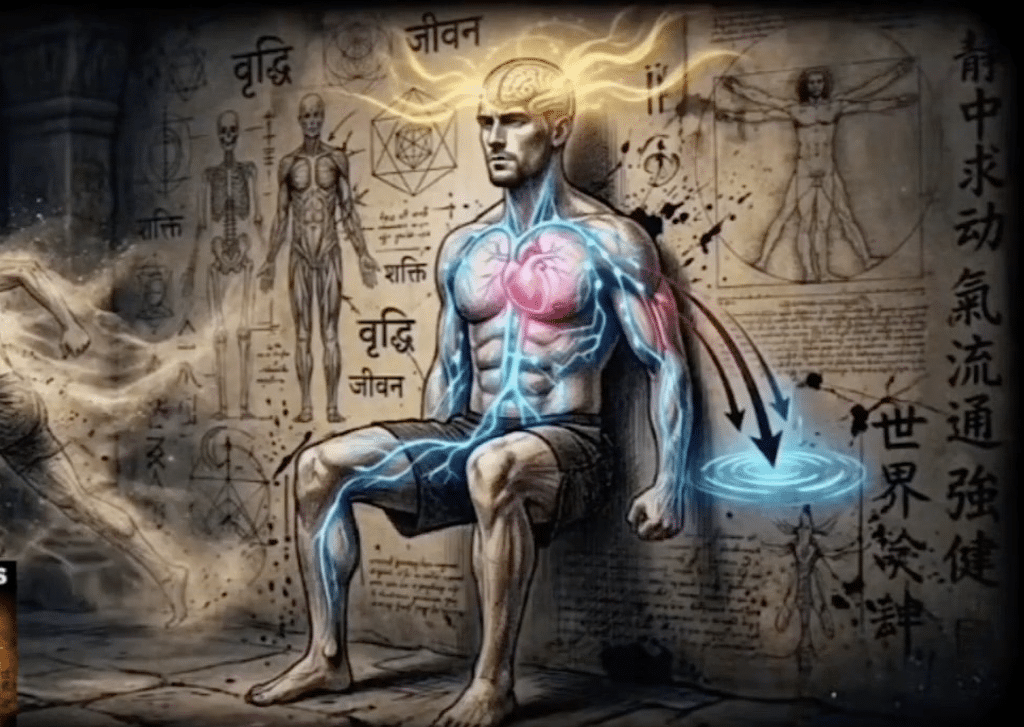
Protect your mind. Train your habits. Change your life.
That’s a clean, practical summary of what actually works
— not slogans about “90 % subconscious” or vague percentages of “brainwashed” people.
Protect your mind
Your attention and beliefs are limited resources.
Most of what reaches you (news feeds, social media, conversations, advertising, ideological messaging) is designed to trigger emotion and automatic reactions, not careful thinking. Practical protection
- Reduce low-quality input (mindless scrolling, outrage content, one-sided sources).
- Actively seek disconfirming information.
- Pause before accepting emotionally charged claims.
- Notice when something feels too aligned with what you already believe — that’s often the moment confirmation bias is working.
You can’t eliminate influence, but you can raise the bar for what gets in.
2. Train your habits
The bulk of daily behavior runs on automatic patterns. Conscious willpower is weak and depletes quickly; habits are the real operating system. Effective training:
- Start extremely small (so small it’s hard to fail).
- Attach new actions to existing routines (habit stacking).
- Track consistency more than intensity.
- Accept that early stages feel forced — that’s normal until the behavior becomes automatic.
Over time the new pattern moves from conscious effort into the automatic layer. That’s how real change sticks.
3. Change your life
Life changes as the compound result of protected attention + trained habits.
Big transformations rarely come from sudden insights or “relearning the conscious 10 %.” They come from repeated small actions that eventually reshape identity and environment.
The sequence is deliberate: Protect input → shape daily actions → identity and results follow.No mystical percentages required. Just consistent application of the three steps.
Protect your mind. Train your habits. Change your life.This short line cuts through a lot of noise. It is not mystical. It is a practical sequence grounded in how the brain actually works

Protect your mind – daily examples
- Morning (first 30–60 minutes): Leave your phone in another room. Drink water, stretch, or write three sentences in a notebook about what matters today. No news, no social media, no messages.
- During the day: When you open any feed, set a hard 10-minute timer. When it rings, close the app. If a post triggers strong emotion (anger, envy, fear), pause and ask: “Is this useful or just activating me?”
- Evening: One hour before bed, switch phone to grayscale or put it on charge outside the bedroom. Replace scrolling with 10–15 minutes of reading a physical book or simply sitting quietly.
- Weekly reset (Sunday evening): Review the last 7 days of screen time. Delete or mute one app/account that consistently drains attention.
2. Train your habits
daily examplesPick one small habit and attach it to something you already do every day (habit stacking):
Existing cue | New micro-habit | Identity statement |
|---|---|---|
After I pour my morning coffee | I read 5 pages of a book | “I am a reader” |
After I brush my teeth at night | I do 10 slow push-ups or a 60-second plank | “I am someone who trains” |
When I sit down at my desk | I write the top 3 priorities for the day on paper | “I am focused” |
After I finish lunch | I walk outside for 8–10 minutes without headphones | “I am someone who moves and thinks clearly” |
When I get into bed | I write one sentence about something that went well today | “I am someone who notices progress” |
Train your habits
daily examplesPick one small habit and attach it to something you already do every day (habit stacking):
3. How the two steps change your lifeAfter 30–60 days of protecting input + repeating one or two of the micro-habits above, you will notice:
- Clearer thinking in the morning
- Less reactive emotional spikes
- Automatic desire to continue the good actions instead of forcing them
- Small visible results (better sleep, slightly better fitness, more finished tasks) that reinforce the identity
Start tomorrow with just two things:
- Phone stays outside the bedroom tonight.
- One stacked micro-habit of your choice.
Do those two for seven days without adding anything else. That is how the sequence actually begins.
Protect your mind – Train your habits
Dopamine fasting (sometimes called a dopamine detox)
is a popular practice, but the name is highly misleading.What it really isIt was introduced in 2019 by psychologist Dr. Cameron Sepah (clinical professor at UC San Francisco) under the name “Dopamine Fasting 2.0.” It is not about reducing, depleting, or “resetting” the actual neurotransmitter dopamine in your brain. Dopamine is essential for motivation, focus, movement, learning, and reward prediction. You cannot (and should not try to) fast from it.Instead, it is a cognitive-behavioral technique aimed at reducing specific impulsive or compulsive behaviors that provide quick, intense stimulation. The goal is to weaken automatic habits, increase behavioral flexibility, and make space for less stimulating but more meaningful activities.Typical target behaviorsSepah focuses on six common categories:
- Excessive internet use, social media, or gaming
- Emotional / junk-food eating
- Gambling or compulsive shopping
- Pornography and related sexual behaviors
- Thrill- or novelty-seeking
- Recreational drugs or alcohol
worksSepah recommends short, targeted periods of abstinence from your problematic behaviors only — not total deprivation of all pleasure:
- 1–4 hours at the end of the day
- One full day on a weekend
- One weekend per quarter
- One week per year
During those windows you deliberately avoid the compulsive activity and replace it with lower-stimulation alternatives (walking, reading, journaling, sitting with boredom, light exercise, conversation, etc.).This is essentially stimulus control + response prevention — core tools from cognitive-behavioral therapy and addiction treatment.
Never last your smile.

Never last your smile.